The short answer
Maker figures assume light use: few location checks, good signal and no live tracking. Live mode, weak signal and cold weather all drain batteries faster. Compare figures between trackers, but plan to charge more often than the box says.
The figures makers publish
| Tracker | Battery (maker) |
|---|---|
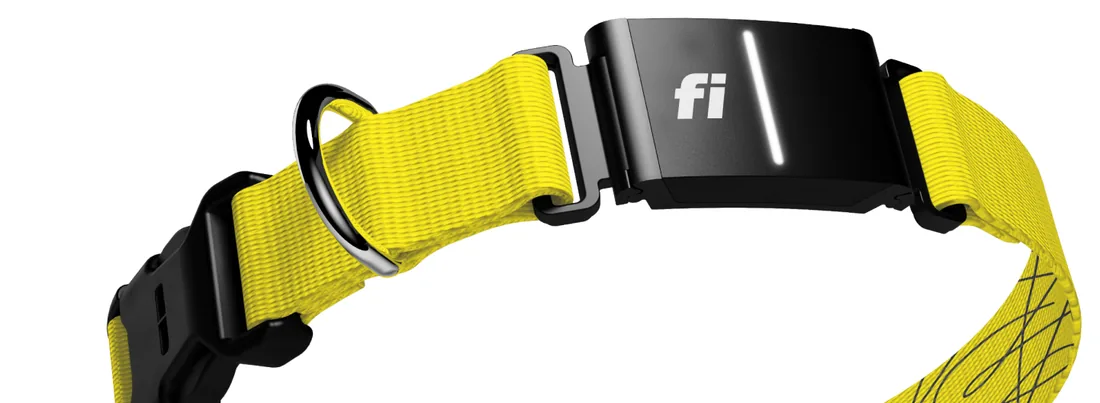
| Fi Series 3+ | Up to 3 months |
| Fi Mini | Up to 2 months |
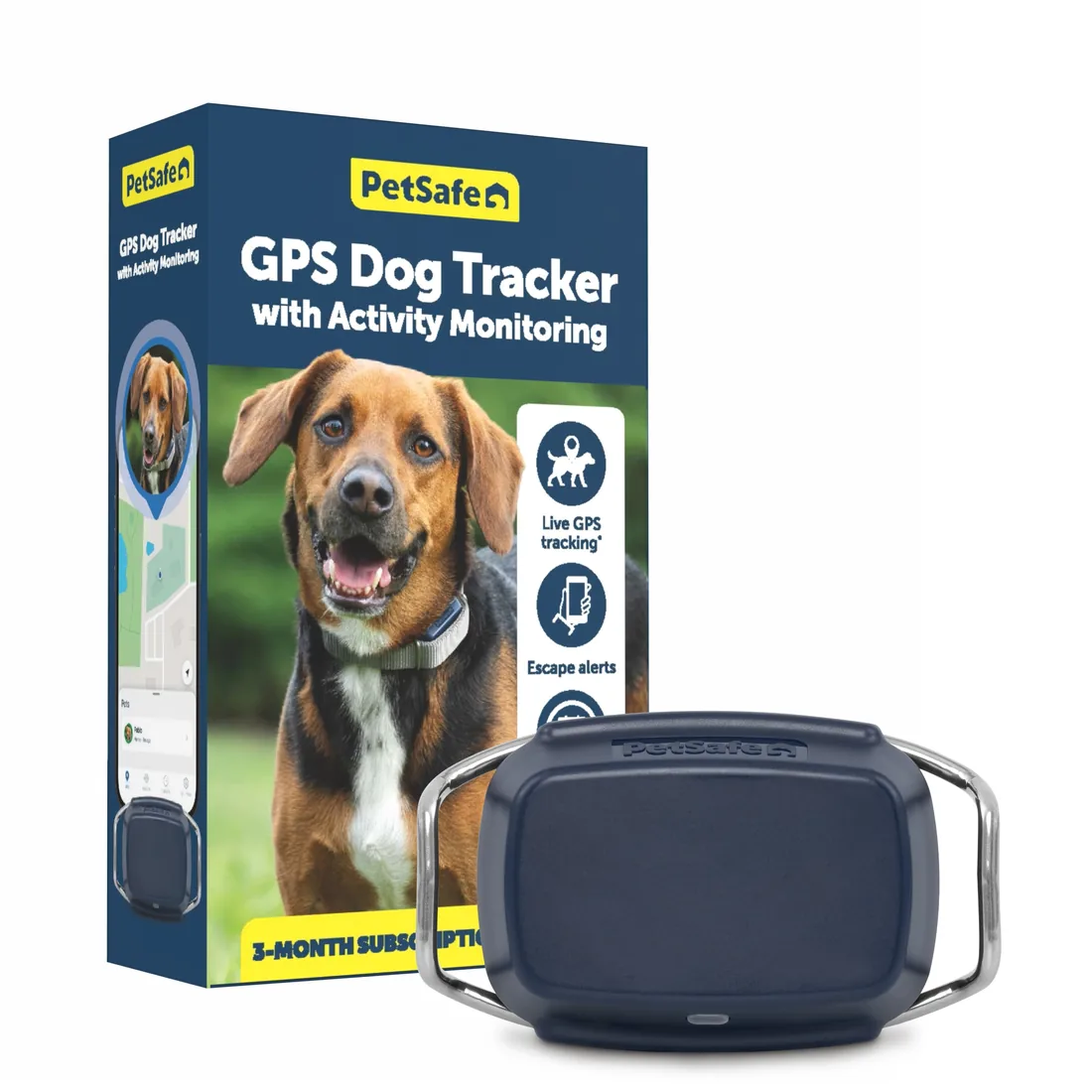
| PetSafe GPS Tracker | Up to 30 days (with smart charging base) |
| Petcube GPS Tracker | Up to 30 days in low-power mode |
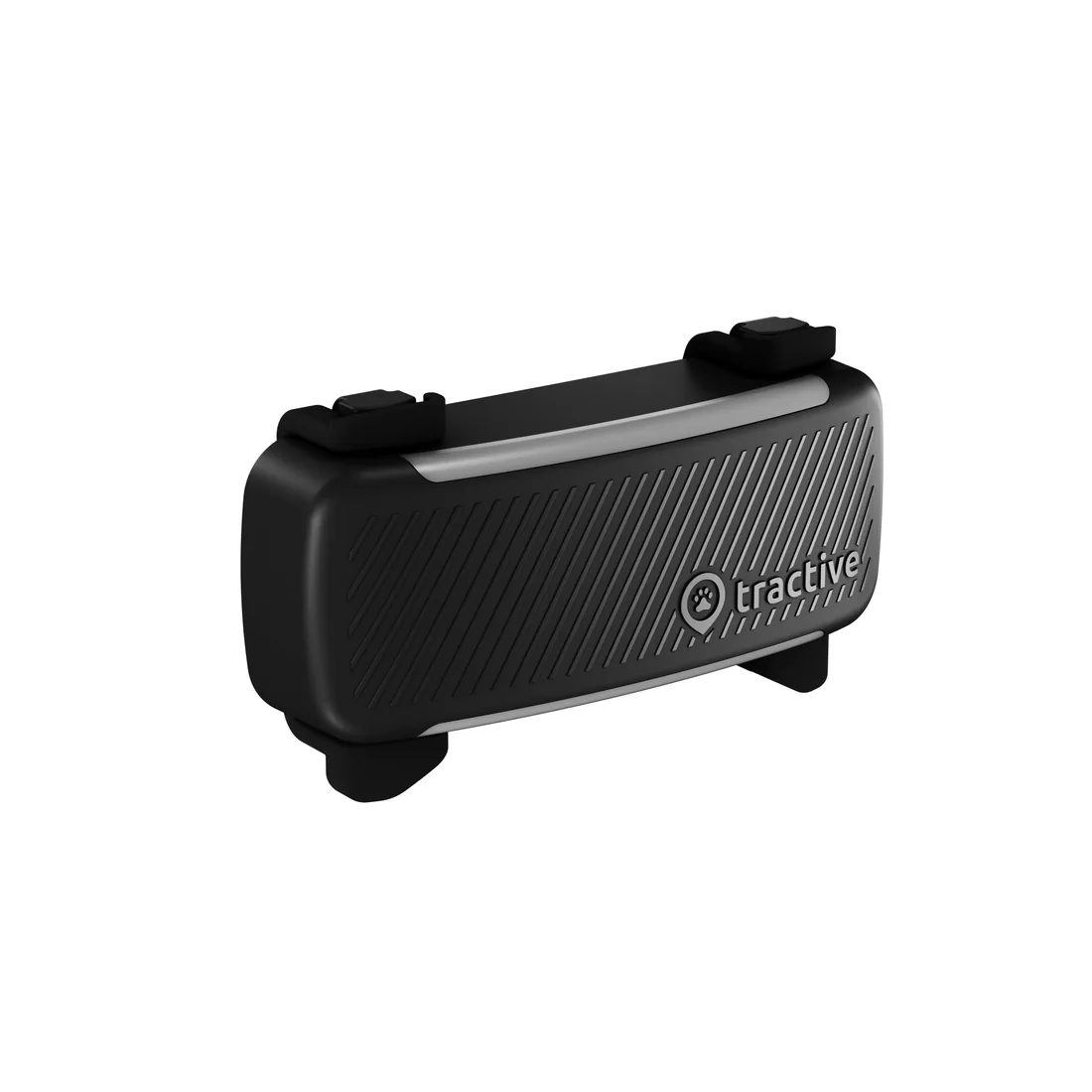
| Tractive DOG 6 | Up to 2 weeks |
| Fi Ultra | Up to 5 days |
| Halo Collar 5 (GPS fence) | Up to 48 hours |
What drains a tracker
- Live tracking mode: frequent updates use the most power.
- Weak signal: the modem works harder to connect.
- Cold weather shortens lithium battery life.
- Features like GPS fences and constant activity tracking.
Picking by your routine
If you'll forget to charge, a long-life tracker like Fi Series 3+ suits you. If you want satellite reach, Fi Ultra trades battery life for coverage.
SafetySet a low-battery alert in the app; a flat tracker shows nothing.
Products mentioned
Questions readers ask
Why does my tracker die faster than advertised?
Live tracking, poor signal and cold weather all drain the battery faster than the light-use figures makers publish.
Which tracker lasts longest?
Of the trackers we cover, Fi Series 3+ states the longest, up to 3 months.