The short answer
Smart collars use motion sensors to estimate activity, rest and sleep; some add scratching or barking logs. The useful signal is change over time: a dog that suddenly sleeps more or scratches more is worth a vet visit. None of these devices diagnose illness.
What trackers measure
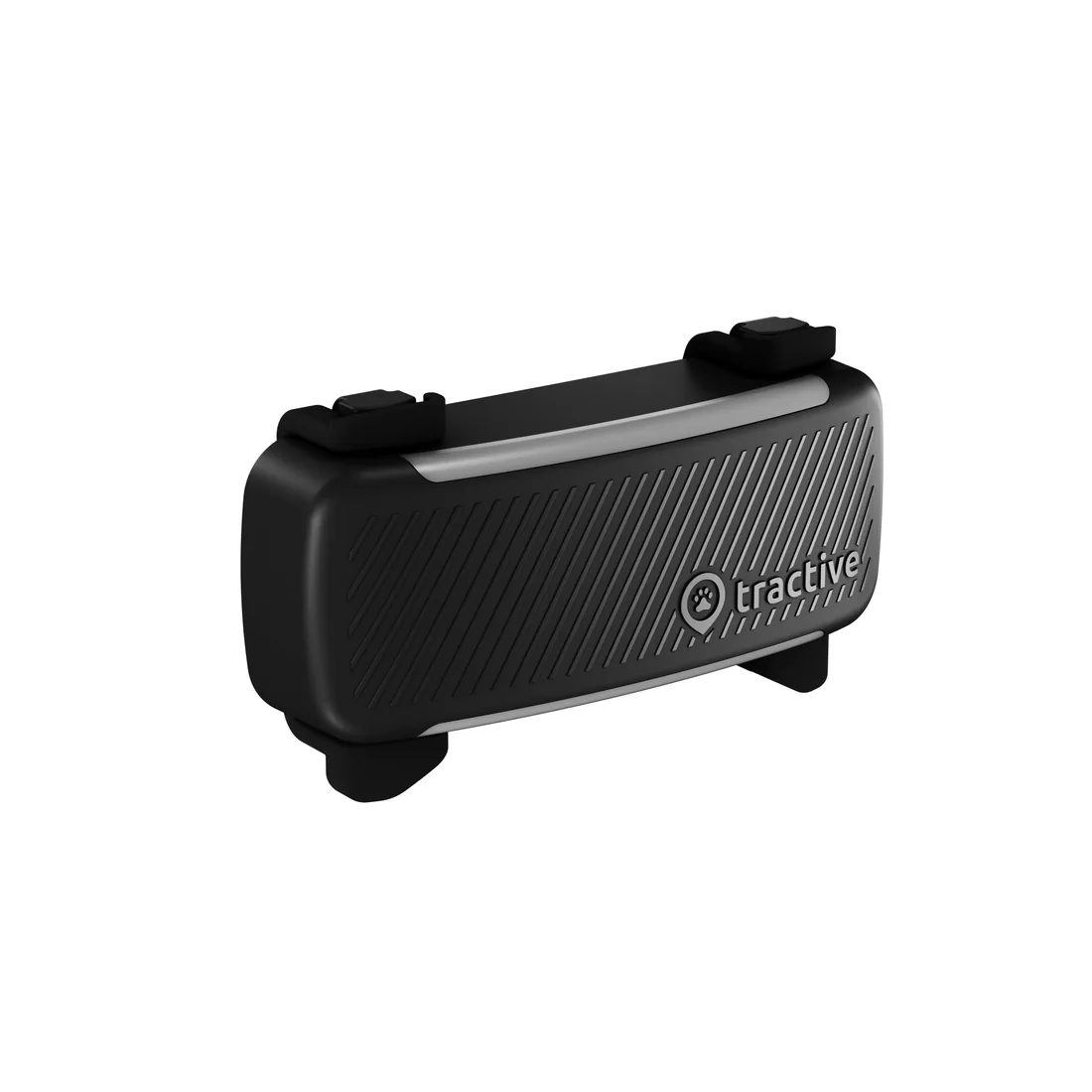
- Tractive DOG 6: activity, sleep, scratching and vitals, per Tractive.
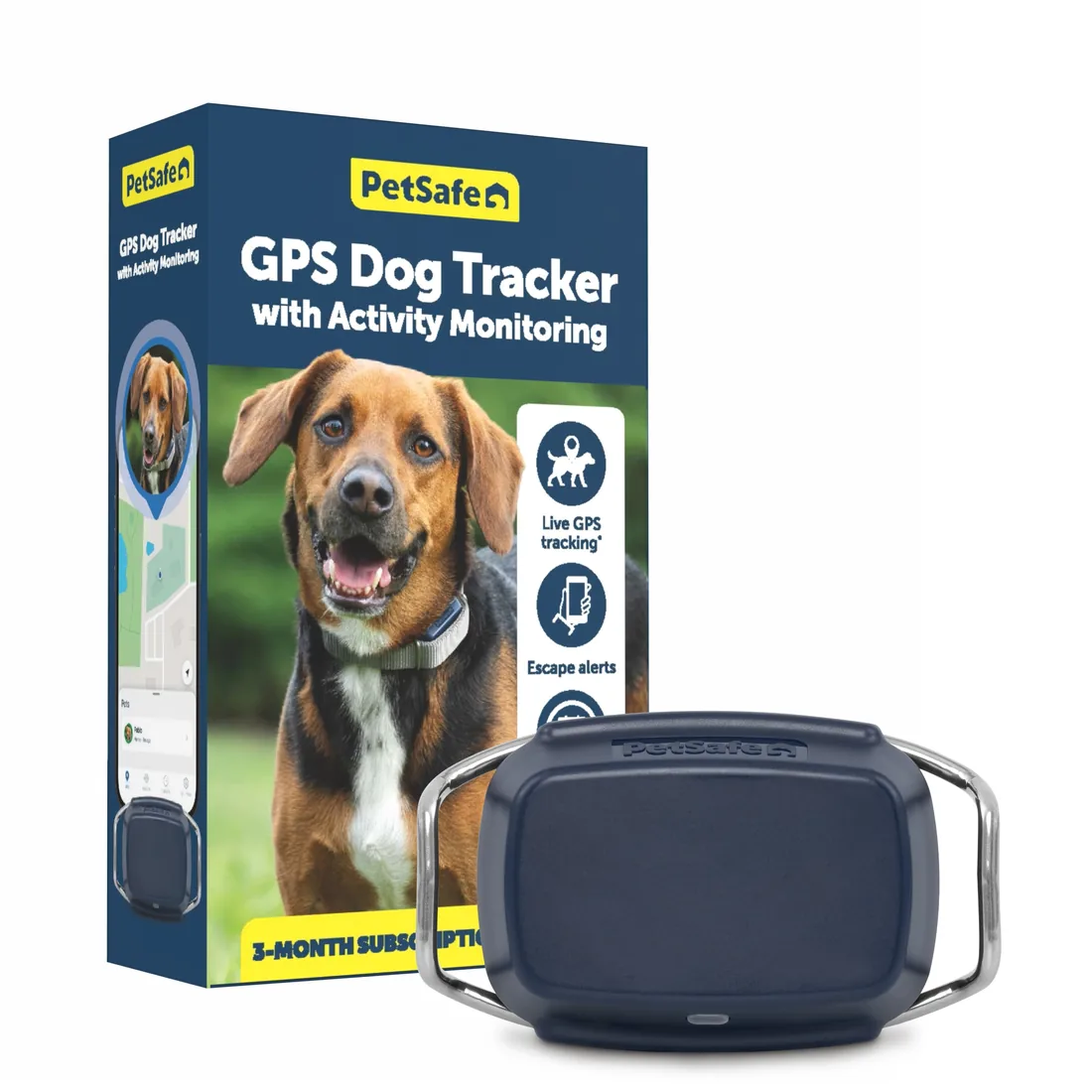
- PetSafe GPS Tracker: bark activity, steps and rest.
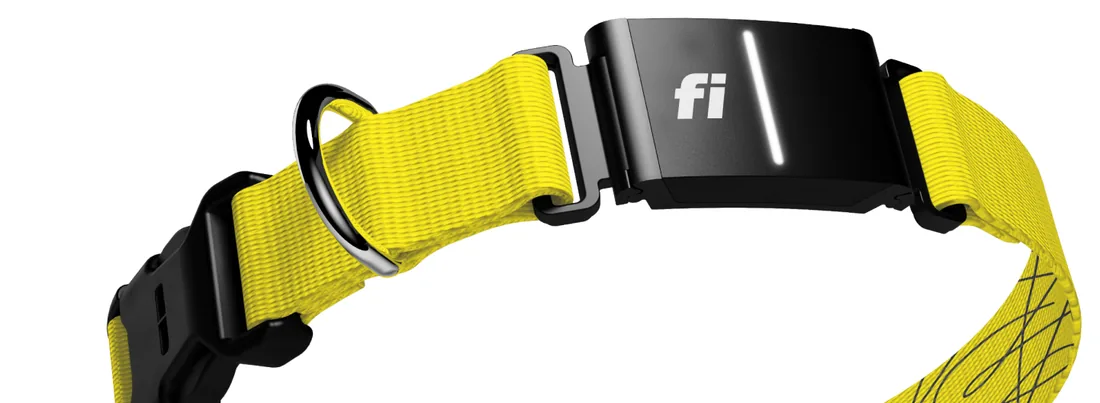
- Fi Series 3+: activity and steps alongside location.
How to use the data
Look at weekly averages, not single days. Note anything unusual, such as more night scratching, less activity or restlessness, and share it with your vet with dates.
SafetyDon't change medication, diet or exercise because of tracker data alone; ask your vet.
Limits
- Step counts are estimates from motion, tuned on average dogs.
- Collars that rotate or sit loose give noisier data.
- Vitals features are the maker's estimates, not medical measurements.
Products mentioned
Questions readers ask
Can a tracker detect illness?
No. It can show changes in activity or scratching that are worth discussing with your vet.
Are step counts accurate?
They are motion-based estimates; use them for trends.