The short answer
Look for a trainer who uses reward-based methods, can explain their plan in plain terms, holds a credential from an independent organization, and welcomes you to watch a class first. Be wary of guarantees, quick fixes and anyone who reaches for aversive tools first.
Questions to ask
- What methods do you use, and what happens when a dog gets it wrong?
- What credentials and continuing education do you have?
- Can I watch a class?
- How will we measure progress?
Red flags
- Guaranteed results.
- Talk of 'dominance' or 'being the alpha'.
- Starting with shock, prong or choke collars.
- Refusing to let you watch.
When to see a vet first
Sudden aggression, fear or house-soiling can have medical causes. For serious behavior problems, a veterinary behaviorist can diagnose and treat.
SafetyIf you consider any aversive tool, work with a qualified trainer who uses reward-based methods first.
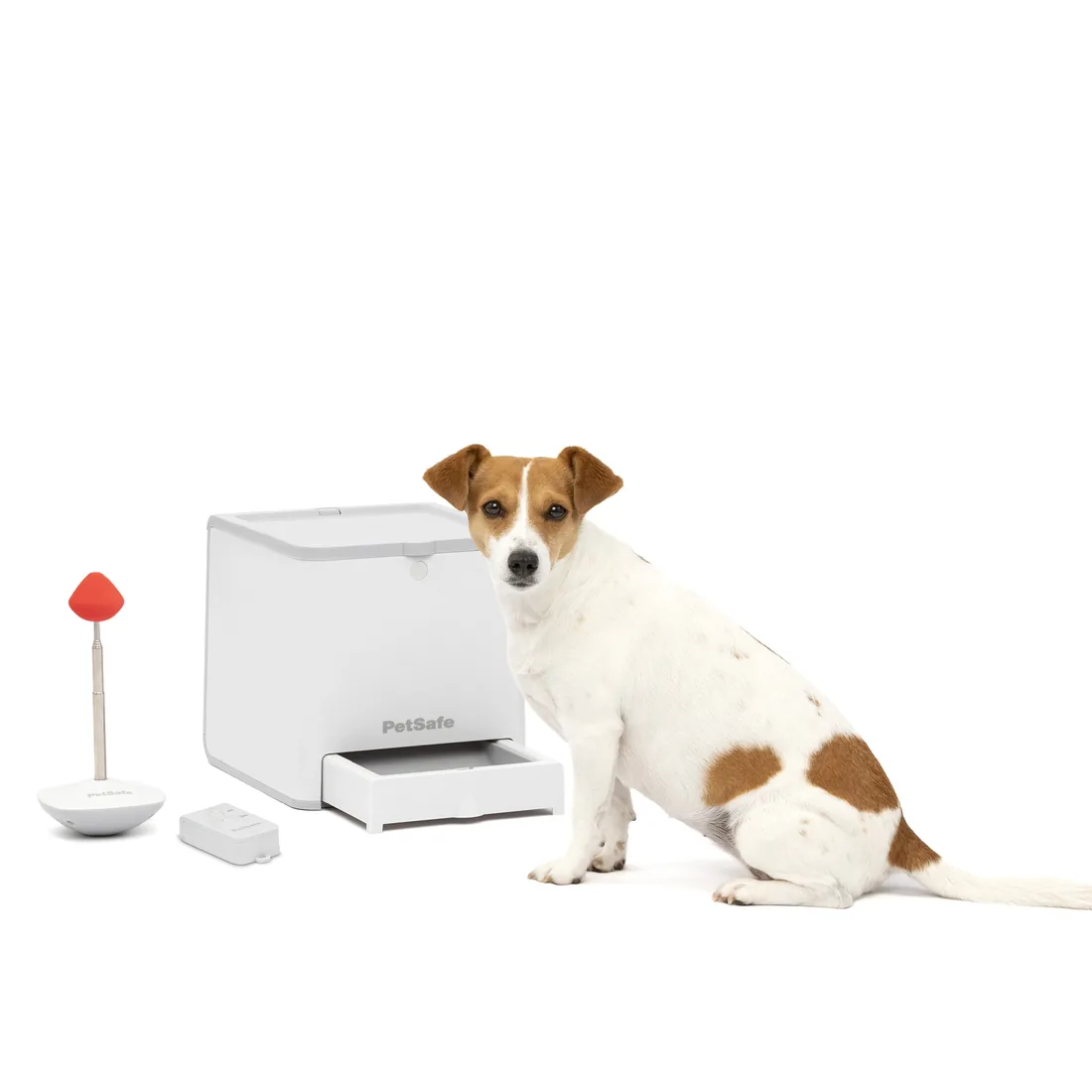
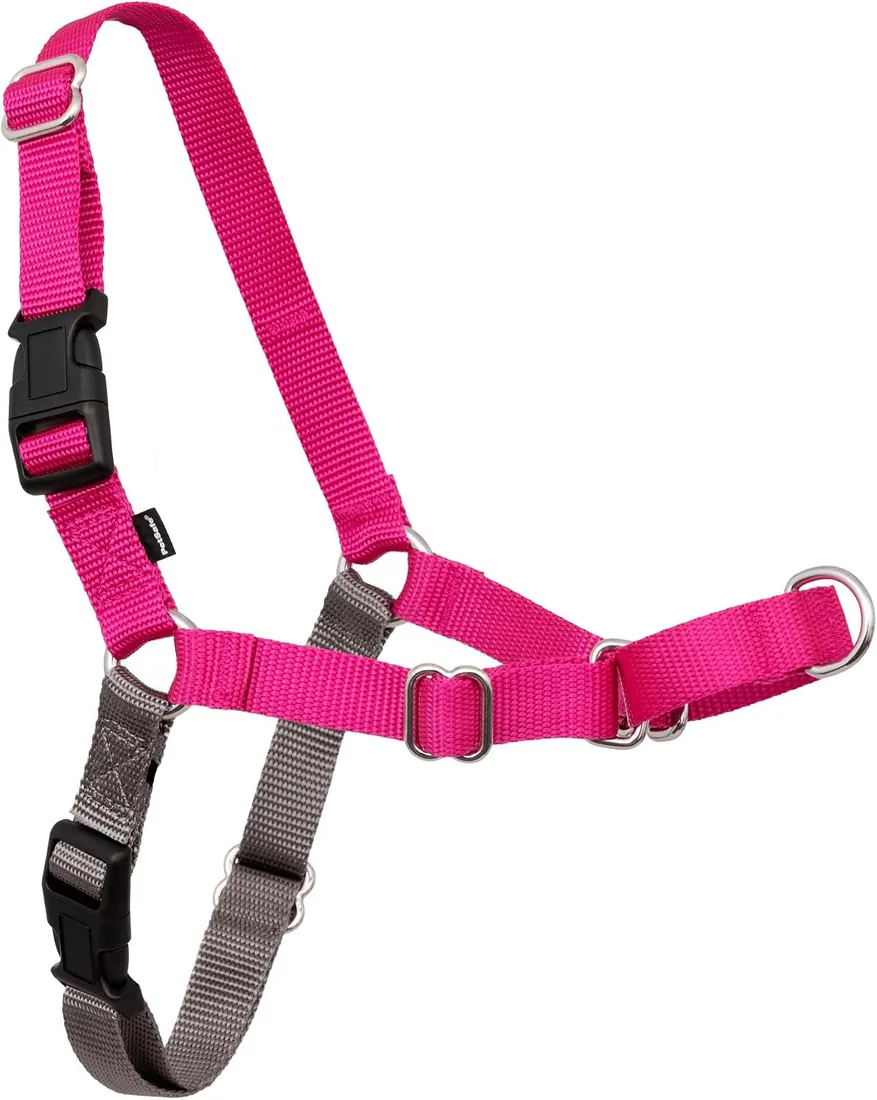
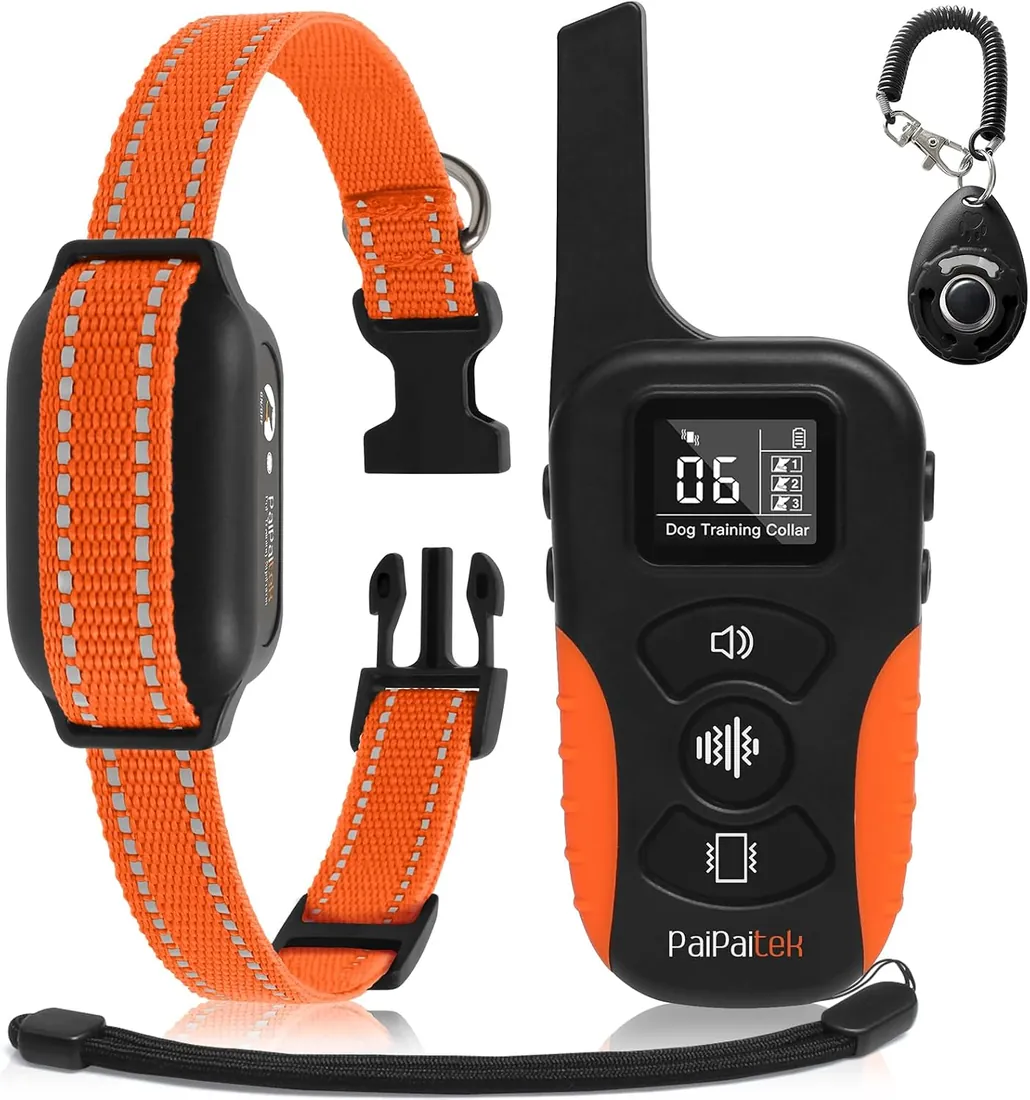
Products mentioned
Questions readers ask
Do dog trainers need a license?
In most places, no; look for independent credentials.
What training method is recommended?
Reward-based methods, per AVSAB.