The short answer
The American Veterinary Society of Animal Behavior recommends reward-based methods for all dog training and states that aversive methods, which include shock collars, should not be used. Its position cites risks such as fear, stress and aggression. If you're struggling with a behavior, a qualified reward-based trainer or veterinary behaviorist is the recommended first step.
The AVSAB position
AVSAB's 2021 position statement on humane dog training recommends reward-based training for all dogs and advises against aversive methods, including tools that cause discomfort to change behavior.
What that means in practice
- Try reward-based training first, with a qualified trainer.
- Use cues (tone, vibration) paired with rewards rather than corrections.
- See a vet for sudden behavior changes, which can have medical causes.
Reward-based remote tools
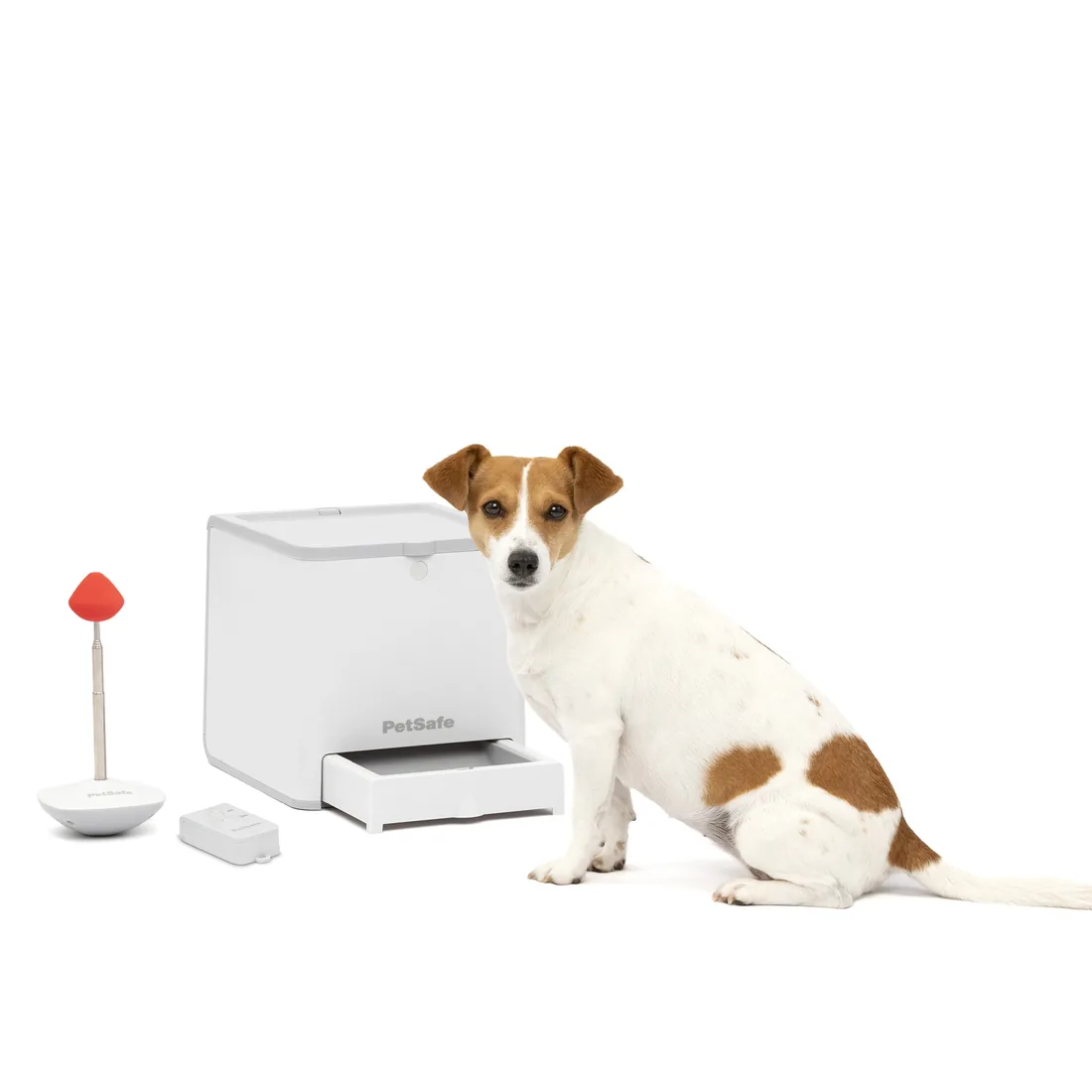
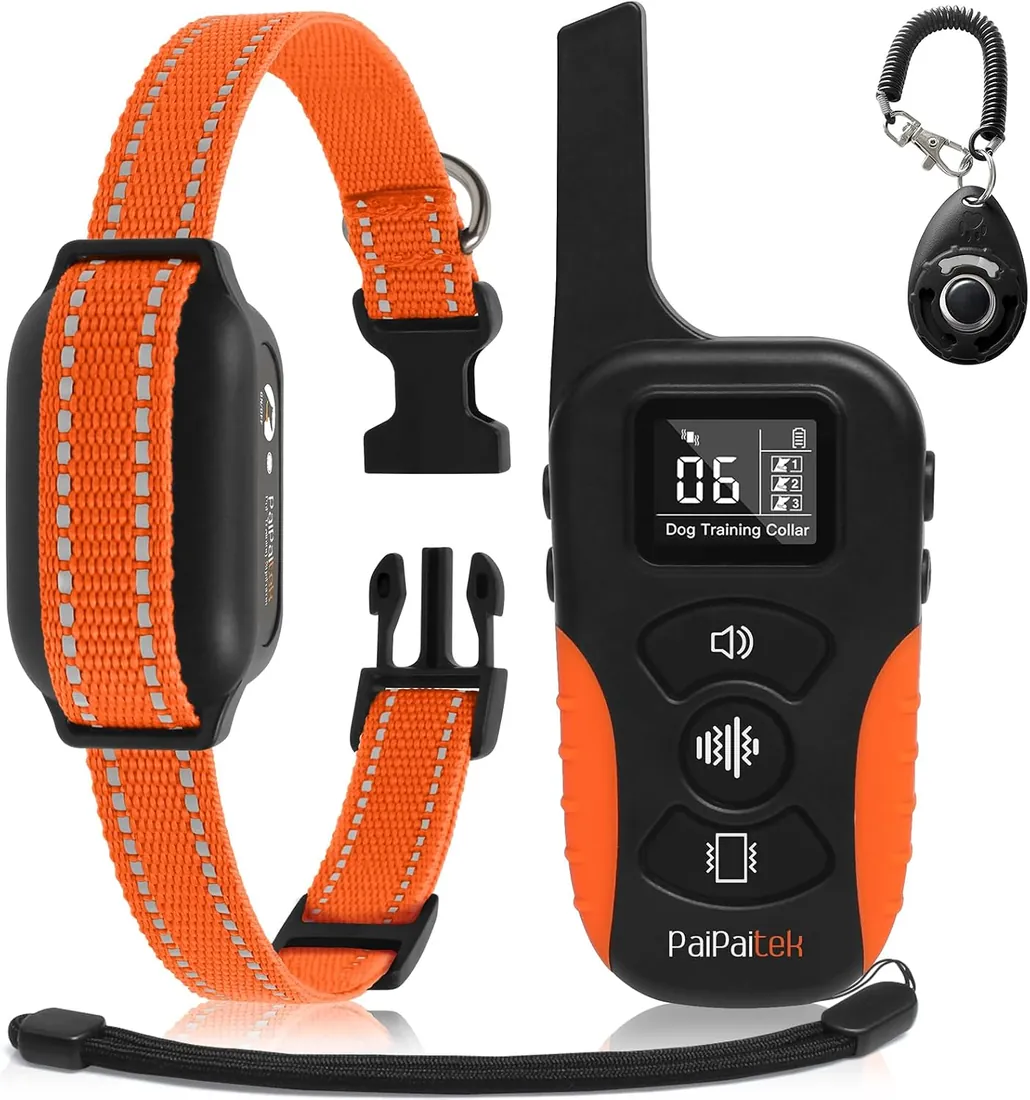
Remote tools without corrections exist: PetSafe Teach & Treat delivers treats at a distance, and vibration-only collars like PaiPaitek give a cue you can pair with rewards.
SafetyIf you consider any aversive tool, work with a qualified trainer who uses reward-based methods first.
Products mentioned

Questions readers ask
Does AVSAB support e-collars?
No. It recommends reward-based methods and advises against aversive ones.
What should I try instead?
A qualified reward-based trainer and tools such as remote treat dispensers.